
Zach
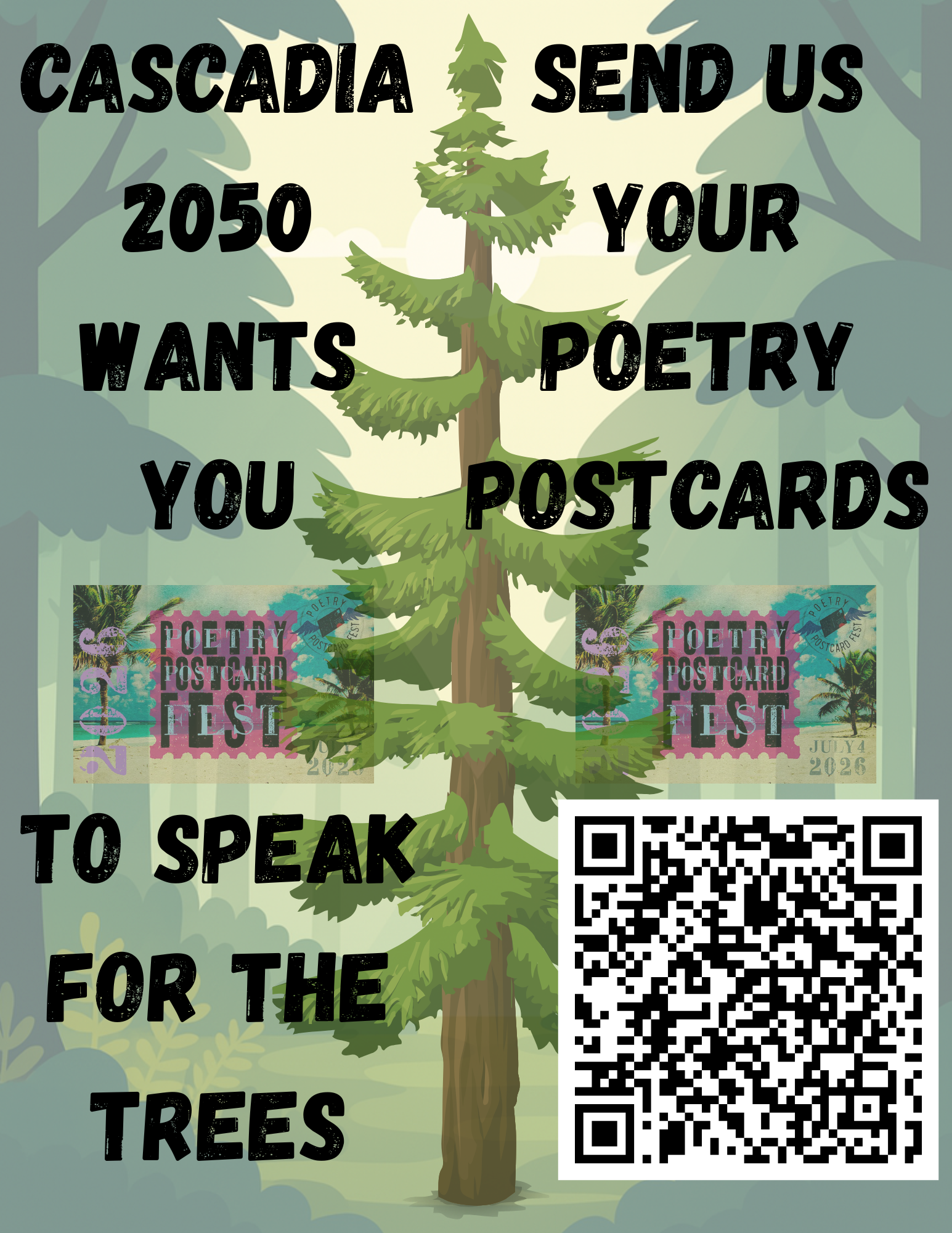
This coming summer marks the 20th annual Poetry Postcard Fest, which has been described by its co-founder Paul Nelson, and others as a "peace building project." To honor this project, and to take advantage of the eye of the world being turned toward Seattle this summer for the FIFA World Cup, I have embarked, as a part of Cascadia 2050, on a community art project.
The project is inspired largely by the story of Fujitaro Kubota. In 1907 he arrived to the United States, via San Francisco, as a Japanese immigrant with a powerful interest in gardening and Japanese Black Pine seeds in his pocket. Not coming from a family of gardeners, he was self-taught, and after making his way to Seattle founded the Kubota Gardening Company. For this company he needed land, but he also wanted to build a garden for himself, to honor his lifelong passion with a project worthy of a life. So, in the 1920s, he set about beginning the Kubota Garden that is now a beautiful Japanese Garden and city park in Rainier Beach, Seattle.
There is a lot about his life that I would like to include in this column, but I will try to keep it to the point here. What inspired this project more than anything was his vision. In searching for land he faced discrimination. Japanese people were not allowed to own land at the time, so the "most desirable" land was difficult to access. What he found instead, with the help of a neighbor and friend, was, at the time, far south of the city, a 5 acre swath clear cut by loggers and boggy from the stream that ran and still runs through it (That creek would be Mapes Creek, or as it is called in Lushootseed, dxʷwuqʷəb). Everyone else back then saw only a wasteland with one last Grand Fir standing in it, spared from the lumber mill because of the split at its top. But Fujitaro saw water, and he saw a garden. And in building that garden and maintaining it he showed the world that what others saw as a wasteland could become a garden with an open imagination, dedicated hard work, and resilience. It bears mentioning that he essentially had to rebuild the garden as well, after being incarcerated during World War 2 (when he was given only an hour or two to pack up to be sent to the internment camp, he put seeds in his pockets again).
In looking at our own world, we see much waste land. We see cities that suck more than their fair share of resources from the world and give nothing back, monocrop farms that span hundreds and thousands of acres that do the same, and suburbs composed of straight asphalt streets and carefully manicured grass lawns. What I hope this project can help the world see is that all of these areas can be transformed into gardens. The whole Earth is a garden, if we just tend to it. It will take, in all likelihood, many lifetimes of effort to rebuild these gardens. It will take bravery in the face of injustice, resilience when setbacks are encountered, and the patience to engage in long, hard work. I hope this art project will inspire many more people to begin to imagine the world at the end of that journey, and to step onto the path.
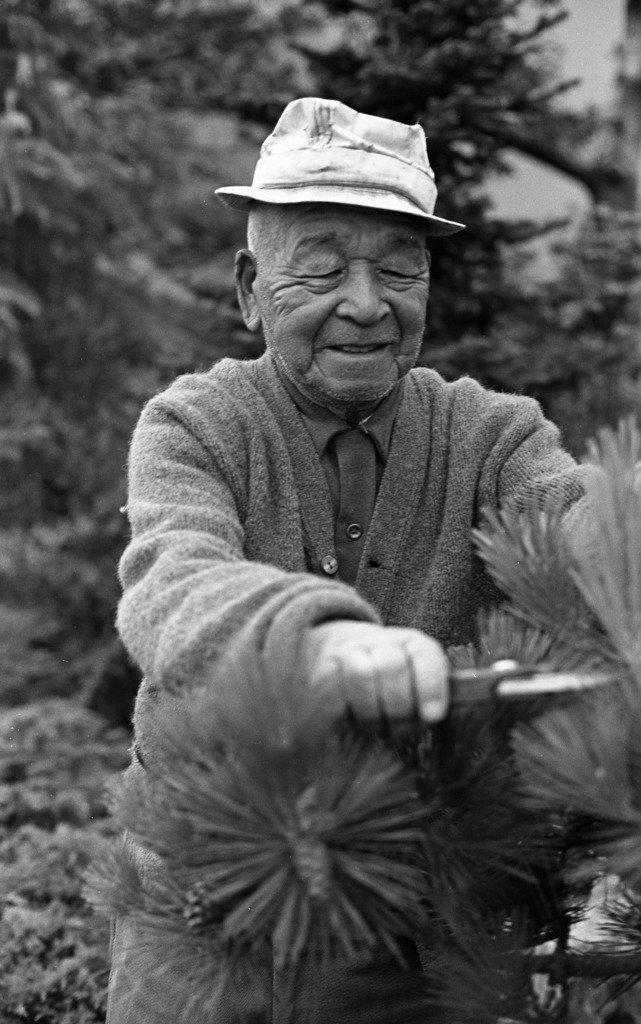
Fujitaro Kubota